Noticing new cracks or slightly bulging brickwork can be unsettling, especially if your home is older or exposed to harsh weather. Understanding how wall ties work and the signs of potential failure can help you respond calmly and sensibly, without jumping to the worst conclusion.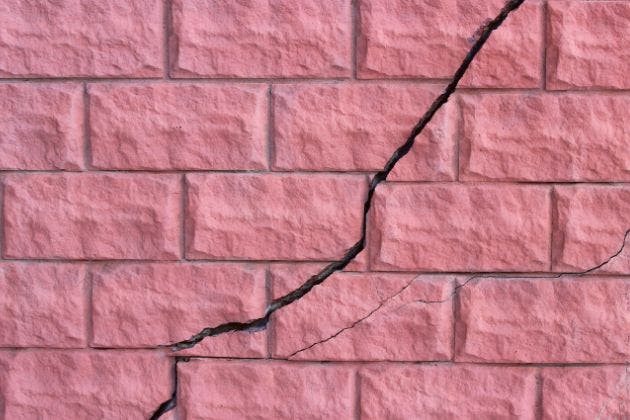
What wall ties do in your home
In most cavity wall homes, you have an outer brick layer and an inner blockwork layer, with a gap between them. Wall ties are metal connectors that sit in this cavity and link the two leaves together.
Their job is to make the two walls act as one stable structure, sharing loads and resisting wind pressure. When wall ties are sound, you should not see movement in the outer brick skin on its own.
Older properties, particularly those built before the 1980s, often used mild steel wall ties. Over time, these can corrode, especially in coastal or exposed locations, or where mortar and cavity conditions hold moisture against the metal.
How corrosion leads to wall tie problems
As wall ties rust, two things tend to happen. First, the metal section becomes thinner and weaker, so it can no longer support and tie the walls effectively.
Second, rust expands compared with the original steel. This expansion can force the surrounding mortar and brickwork apart, creating cracks and localised bulging that become visible at the surface.
Homes from roughly the 1930s to 1980s are more commonly affected
Coastal areas and exposed sites see faster corrosion
Previous cavity insulation can sometimes complicate tie condition
Hard cement pointing over soft original mortar can mask issues
None of these factors guarantee a problem, but they can make wall tie failure more likely, which is why a professional survey is so helpful.
Typical signs of wall tie failure to look for
Several types of cracking and distortion can point towards deteriorating wall ties. On their own, each sign is not conclusive, but together they can form a clear pattern for a specialist.
Horizontal or stepped cracking
One of the most talked about indicators is cracking in the mortar joints, often at regular course heights. You might see horizontal cracks following the brick bed joints, sometimes occurring at multiple levels.
Stepped cracking that runs diagonally in a staircase pattern along mortar joints can also appear, particularly near corners or around openings. These cracks may widen gradually over time as the outer leaf starts to move independently.
Bulging or bowing brickwork
Where wall ties have corroded significantly or no longer grip the outer leaf, parts of the brickwork can begin to bulge. This is often most noticeable on long, exposed elevations that catch the wind.
You may see bricks sitting slightly proud compared with neighbouring areas, or a gentle bow when you look along the wall from the side. In more advanced cases, the distortion becomes very obvious and needs prompt professional attention.
Movement at corners and around openings
Another common clue is separation at external corners, where one wall appears to move away from the other and a crack opens up in the joint. This can be more noticeable at upper levels where the wall is under greater wind load.
Window and door openings often show distortion too. Signs include raking cracks from the corners, gaps around frames, or the brickwork looking slightly skewed compared with the opening.
Uneven mortar joints and distorted frames
As the outer leaf moves, mortar joints can appear uneven or wavey rather than running in a straight line. New pointing over old cracks may also indicate that movement has been happening for some time.
Inside, you might notice doors or windows sticking, or hairline cracks appearing around reveals. These can have other causes, but combined with external symptoms they add to the picture.
Wall tie failure vs other structural issues
Cracks and movement are not unique to wall tie problems. It is very common for homeowners to worry about ties when the real cause lies elsewhere, which is why a proper diagnosis is so important.
Settlement and subsidence
Settlement and subsidence relate to the ground beneath your home moving, rather than the two leaves of the wall separating. Cracks from settlement often run through bricks or blocks, not just along mortar joints, and can be wider at the top or bottom.
These cracks may appear internally and externally in similar locations. In contrast, wall tie issues tend to change the behaviour of the outer leaf more than the inner structure.
Lintel problems over windows and doors
Where lintels are failing or undersized, you may see stepped cracking that radiates out from the corners of window and door openings. The brickwork can sag slightly above the opening.
This pattern can look similar to some wall tie cracking but is usually concentrated directly above the span. A survey will help separate lintel issues from broader tie deterioration.
Thermal movement and minor shrinkage
Temperature changes and material shrinkage can create fine, often hairline, cracks. These are usually quite narrow, stable over time and do not come with bulging brickwork or significant corner separation.
Although they may be visually annoying, they are not normally linked to wall tie failure. Monitoring these cracks over a few seasons can help a professional judge their significance.
What a wall tie survey usually involves
Before any remedial work, a wall tie survey is crucial to confirm what is happening and to avoid unnecessary or unsuitable repairs. A reputable specialist will follow a clear process.
First comes a detailed visual inspection of all accessible elevations, noting crack locations, patterns, and any signs of bulging or previous repairs. They will also look at the age and type of construction to assess likely original tie materials.
Next, small drill holes are made in selected areas so a borescope camera can be inserted into the cavity. This allows the surveyor to see the wall ties in situ, checking their type, spacing, corrosion level and whether they are correctly embedded.
They will also consider cavity insulation, both existing and any that might be proposed. Insulation can hide ties from view or interact with moisture in the cavity, so understanding the full picture is important before advising on remedial anchors or replacement ties.
Practical steps homeowners can take
If you are concerned about possible wall tie failure, there are some simple, sensible actions you can take before and during seeking professional advice.
Start by photographing any cracks or bulges clearly, including close ups and wider shots to show where they sit on the wall. Repeat these photos every few months so you have a record of whether things are changing.
Keep brief notes of when you first noticed each issue, and whether it appears to alter after heavy rain, strong winds or temperature swings. This information can be very useful context for a surveyor.
Avoid attempting structural repairs yourself or letting anyone inject, pin or re-point extensively without a proper survey report. Work carried out on the wrong assumption can be costly to undo and may mask the real problem.
Next steps if you suspect wall tie issues
Most wall tie problems develop slowly, so there is usually time to get a calm, professional assessment and plan any work sensibly. The key is not to ignore clear signs of movement, but also not to rush into guesswork repairs.
Arrange a specialist wall tie survey so you know exactly what you are dealing with and what, if any, remedial work is required. If you are in South Wales, you can explore the Cavi Clear Ltd wall ties service for more detail on how the process works, and view the Cardiff service area information if you live nearby.
To talk through your concerns or book a survey, contact Cavi Clear Ltd on 01639790426. A clear diagnosis and a sensible repair plan will give you peace of mind and help protect your home for the long term.