Cavity wall insulation extraction is usually considered when something has gone wrong, such as damp patches, mould, or a home that still feels cold and draughty. Understanding the causes and the process can help you make calm, informed decisions rather than rushing into expensive work.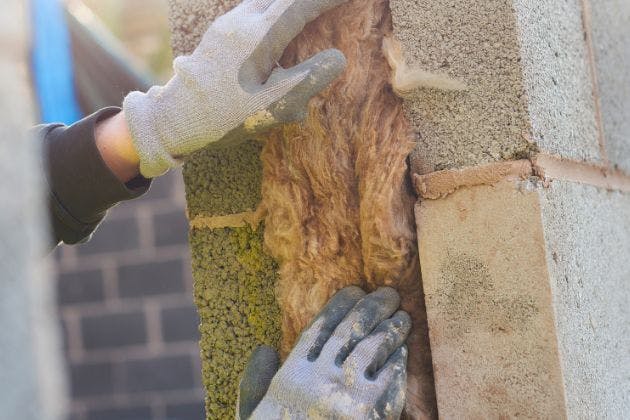
Common reasons cavity wall insulation extraction is considered
Most cavity wall insulation does its job quietly for years, but in parts of South Wales with driving rain and strong coastal winds, problems are more likely if the wrong material was used or the property was not suitable. Extraction is usually driven by evidence of damp or performance issues, not just age.
Wet insulation is a major concern. If water tracks through defective pointing, cracked render or porous brickwork, the insulation can become saturated. This bridges moisture across the cavity and into the inner wall, leading to dark patches, peeling paint, or mould inside.
Over time, some insulation types can slump, leaving gaps high up in the cavity. This results in cold spots, uneven heating, and condensation, especially on external corners and upstairs walls. In other cases, poorly installed material can block air bricks or underfloor vents, upsetting the ventilation the house was designed to rely on.
Persistent damp or mould on external walls, especially after rain
Cold or patchy walls despite insulation being present
Musty smells or increased condensation in certain rooms
Known exposure to heavy wind‑driven rain, especially on west‑facing walls
Sometimes the problem is that the property was never a good candidate for cavity insulation in the first place. Homes in particularly exposed positions, or with narrow or rubble‑filled cavities, can suffer more from penetrating damp once filled.
How professionals confirm what is really going on
A thorough survey is essential before anyone talks about extraction. A reputable company will want to understand the cause of the problem, not just remove insulation and hope for the best.
Internal checks and moisture readings
Inside, the surveyor will walk through the property, looking at the pattern of staining, mould, blistered paint and peeling wallpaper. They will usually take moisture readings at a series of points to see how deep the damp goes and whether it is consistent with cavity issues rather than, for example, plumbing leaks or condensation alone.
The pattern of readings helps distinguish between rising damp, condensation and penetrating damp linked to saturated insulation. In South Wales, with frequent rain and high humidity, it is quite common to find more than one issue in the same property.
Borescope inspection of the cavity
Outside, the surveyor will drill small inspection holes, normally in the mortar joints, and insert a borescope camera to look inside the cavity. This allows them to see the type of insulation, how well it fills the space, and whether there are signs of saturation, debris, or wall tie corrosion.
They will also look for slumping, voids at higher levels, and any obvious bridging across the cavity. This evidence is crucial to decide whether extraction is likely to address the problem or whether other repairs should come first.
Checking external defects and ventilation
The outer leaf of the wall is just as important as the insulation itself. A proper survey will include checking pointing, render, cracked bricks, leaking gutters, and defective flashings that could be letting water into the cavity.
Ventilation is another key factor. The surveyor should confirm that air bricks, underfloor vents and any flue or appliance vents are clear and appropriately sized. Blocked vents can cause or worsen damp and condensation, even if the insulation is otherwise sound.
How cavity wall insulation extraction is typically carried out
Where the survey shows that the insulation is saturated, inappropriate, or badly installed, extraction may be recommended. The work is usually carried out from the outside, keeping disturbance inside the home to a minimum.
Access holes and brick removal strategy
Technicians plan a pattern of access points, often reusing or expanding the original drill holes where possible. These are usually created in the mortar joints so they can be neatly repointed afterwards.
In some cases, individual bricks are carefully removed at lower levels or around problem areas. This gives a larger opening for hoses and allows visual checks as extraction progresses, especially where debris or wall tie corrosion is suspected.
Vacuum extraction working from the bottom up
A specialist high‑powered vacuum system is used to remove the insulation. Long hoses are fed into the cavity, and technicians work systematically from the bottom of the wall upwards to avoid leaving pockets of material behind.
The insulation and debris are drawn into sealed bags or containers for safe disposal. On a typical South Wales semi‑detached house, this process can take a full day or more, depending on access, the type of insulation and the extent of saturation.
Making good afterwards
Once the walls are cleared, all drill holes are filled and repointed, and any removed bricks are replaced to match as closely as possible. Good firms take time here so the finished wall looks neat and consistent with the original.
The site should be left tidy, with waste material removed and any leftover mortar brushed down. You should be given a clear explanation of what was found in the cavity and any concerns noted during the process.
Risks, limitations and common misconceptions
It is important to understand that extraction is not a cure‑all. If external defects such as cracked render, failed pointing or leaking gutters are left untouched, damp can continue to affect the property even after insulation is removed.
In some cases, the survey will show that addressing maintenance and improving ventilation is enough to resolve issues without full extraction. For example, clearing blocked air bricks, repairing guttering and repointing exposed walls may be the priority, particularly on weather‑beaten South Wales façades.
There are also technical limits to extraction. Old or poorly constructed cavities, heavy debris, or severe wall tie corrosion can make it harder to remove every trace of material. This is another reason a survey‑led decision is essential rather than assuming removal is always the first answer.
After extraction: drying out and next steps
Once insulation has been removed, the walls need time to dry. Depending on the amount of moisture, local climate and heating patterns, this can take several months. Running the heating steadily, using trickle vents and mechanical extract fans, and keeping rooms reasonably ventilated will help.
It is a good idea to monitor previously damp areas over this period. Take photos every few weeks, note any changes in staining or mould, and avoid redecorating too quickly. Breathable finishes, such as suitable paints and plasters, can support the drying process.
A follow‑up inspection may be recommended. This might include checks on damp‑proof courses, assessment of wall ties where corrosion was seen, and confirmation that external repairs are performing as intended. Only once the building fabric is stable should you consider any future insulation options.
Arranging a survey and getting tailored advice
If you suspect that cavity wall insulation is contributing to damp or cold rooms, the safest route is a professional, survey‑led assessment. This ensures any extraction is targeted, necessary and supported by evidence rather than guesswork.
For homeowners in South Wales and surrounding areas, Cavi Clear Ltd can carry out detailed cavity inspections and, where appropriate, manage safe removal of problem insulation. To book a survey or discuss your concerns, call 01639790426 or visit the insulation removal service page on the Cavi Clear Ltd website.