Cavity wall insulation has moved on a lot over the years, and most homes now have a handful of reliable material options to choose from. The best choice depends on your wall type, exposure to wind-driven rain, and how the property needs to breathe.
Understanding the main materials helps you ask better questions and avoid paying for an approach that is not suited to your home. Below is a clear guide to the most common cavity wall insulation materials used today, plus what each one is generally best at.
What Type of Cavity Wall Insulation Do Most Homes Use
Mineral wool fibre
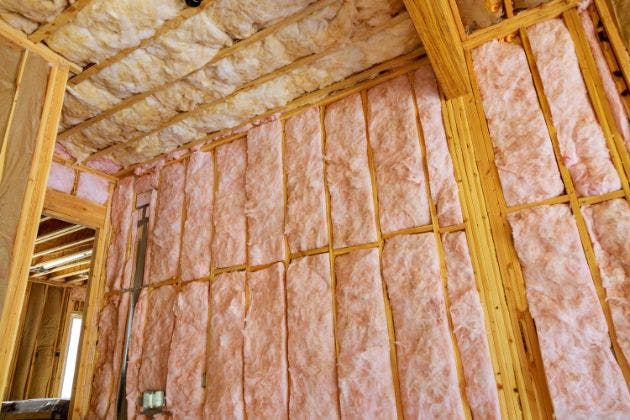
Mineral wool is one of the longest-standing cavity wall insulation materials and is still widely used. It works by trapping air within the fibres, which helps slow heat loss and can also improve sound reduction in many homes.
It is often a good fit for standard cavity widths and can perform well when installed correctly. Because it is a fibre material, the assessment of exposure and moisture risk matters, and the installation quality makes a big difference to the final result.
Expanded polystyrene beads
Polystyrene bead systems use small beads that flow through the cavity and are bonded into place with an adhesive. This can be useful where you want a consistent fill, and it is often chosen for properties with narrower cavities or awkward wall shapes where even coverage matters.
Beads can also be a practical option when a top-up is needed after older insulation has settled. A proper survey is still essential because the cavity needs to be suitable and clear enough for the beads to distribute as intended.
Polyurethane injected foam
Injected foam expands to fill the cavity, which can help with draught reduction and reduce thermal bridging in certain scenarios. It is generally selected when a tight seal is needed, or where the cavity geometry makes other fills less predictable.
Because foam becomes a solid fill, it is especially important to assess the wall condition, ventilation, and moisture risk beforehand. The property’s construction and exposure level should be checked carefully so the insulation choice supports long-term building health.
Phenolic foam systems
Phenolic foam insulation is often associated with strong thermal performance for a given thickness. In cavity applications, it may be used where improving insulation levels is the priority, and the cavity width is limited.
As with other foam-based systems, suitability checks are key, and the survey should consider the full wall build-up. A thoughtful approach helps ensure performance improvements do not come with avoidable moisture or ventilation issues.
Natural and recycled alternatives
Some projects consider natural or recycled insulation materials, often driven by sustainability goals and breathability preferences. These can be more common in retrofit strategies where the wider building fabric approach matters, such as pairing insulation choices with ventilation upgrades.
Availability and suitability can vary by property type, and not every option is appropriate for every cavity wall. A site assessment helps confirm what is realistic, compliant, and durable for the home you are working with.
What to look at before choosing a material
The material is only part of the decision, because the property itself sets the limits. Cavity width, wall ties, exposure zone, existing damp, and air flow paths all influence what will work well.
It also helps to ask what preparation is needed, how the installer verifies an even fill, and what aftercare guidance you will receive. A well-matched material and a careful installation process usually deliver the most reliable improvement.
Looking for cavity wall insulation guidance in South Wales, Swansea, Cardiff and Bristol?
Cavi Clear Ltd supports homeowners across South Wales, Swansea, Cardiff and Bristol with clear advice on suitable cavity wall insulation materials and what to check before installation. Call us on 01639 790426 or 07852 229017, or fill out our contact form to book an assessment.