If your home has started to feel colder or you’ve noticed new damp patches on your walls, it’s natural to wonder if your cavity wall insulation could be the cause. Wet insulation can lead to serious issues like mould growth, increased heating bills, and damage to your walls if left unchecked. However, there’s a clear, step-by-step approach you can follow to identify the problem and deal with it safely and effectively, helping you protect your home and maintain a comfortable living environment.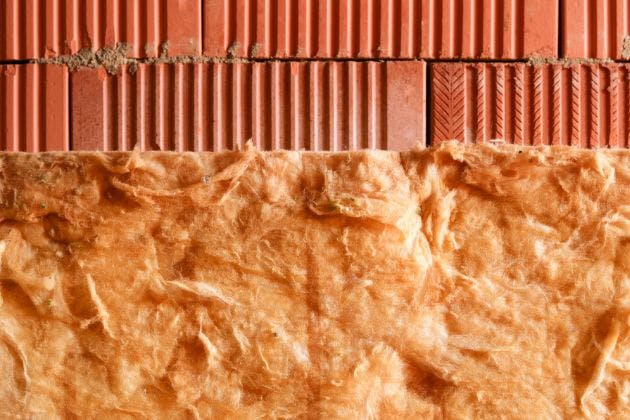
Typical signs your cavity wall insulation is wet
Wet or saturated insulation changes how your walls behave. Instead of keeping heat in and moisture out, the wall can start pulling dampness across into your home.
Homeowners around Bristol, Cardiff, Swansea and across South Wales often report the same warning signs:
Damp patches or tide marks on internal walls, especially on external walls and near corners
Musty odours that do not go away even after cleaning or airing rooms
Mould growth on walls, skirting boards, window reveals or behind furniture
Peeling paint or wallpaper, blistering plaster or salt deposits on the surface
Colder rooms than you would expect, despite the heating being on
Persistent condensation on windows and cold surfaces, sometimes dripping onto sills
These symptoms do not prove on their own that the insulation is wet, but they are a strong signal that something within the wall or building fabric is not performing as it should.
Main causes of wet cavity wall insulation
Cavity walls are designed with a gap in the middle to stop moisture from travelling from the outside to the inside. When insulation in that gap becomes saturated, it is usually because the way the wall sheds water has been affected.
Exposure to wind-driven rain
Homes that face the prevailing weather, especially in exposed coastal or hillside locations around South Wales, are at higher risk. Prolonged wind-driven rain can eventually overwhelm brickwork, particularly if the pointing or render is in poor condition.
If insulation has been installed in a wall that takes a lot of rain and has limited protection, moisture can gradually work its way through and soak the fibres or beads in the cavity.
Bridged or blocked cavities
For a cavity wall to work, that central gap must stay free of solid connections between the outer and inner walls. In practice, this can go wrong for several reasons.
Common bridging issues include rubble left in the cavity from the original build, mortar snots falling off the brick joints, or insulation that has slumped and formed dense pockets. These solid bridges give water an easy path to reach the inner leaf and the back of your plaster.
Blocked weep holes and vents
Weep holes at the base of cavity walls are small openings that let any trapped moisture escape. If they are covered over, clogged with debris or painted shut, water can start to build up within the cavity.
Similarly, blocked air bricks and vents can reduce airflow, making it harder for the cavity and insulation to dry out after heavy rain.
Unsuitable properties and installation issues
Not every home is suitable for cavity wall insulation. Properties with very porous brick, poor external pointing, no overhanging eaves or those in highly exposed locations can be more prone to problems.
Installation defects can make matters worse. Examples include missed areas that leave cold spots, overpacking insulation in narrow cavities, or drilling patterns that do not give an even fill. Over time, these weaknesses can lead to localised damp and mould indoors.
Practical next steps if you suspect a problem
If you are concerned that your cavity wall insulation is wet, try not to panic. Approach it methodically and avoid rushing into expensive work before you have evidence.
Document symptoms: Take clear photos of damp patches, mould, peeling paint and condensation, noting dates and locations.
Check basic maintenance: Look at gutters, downpipes, roof tiles, pointing, sealant around windows and whether air bricks or weep holes are blocked.
Avoid DIY extraction: Do not attempt to drill extra holes or suck insulation out yourself, as you can damage the wall and void guarantees.
Book a specialist survey: Arrange for an experienced cavity wall insulation surveyor to investigate and confirm the cause.
A proper survey should include moisture readings, external checks and, where suitable, borescope inspections into the cavity. The goal is to understand whether the damp is due to wet insulation, another defect, or a mix of issues.
Repair options and when extraction is considered
In some cases, localised repairs may be enough. For example, fixing a leaking gutter, repointing exposed brickwork or reopening weep holes can allow walls and insulation to dry naturally over time.
Where there is clear evidence that the insulation itself is saturated, unevenly installed or unsuitable for the property, complete or targeted extraction is often recommended. This is especially true where internal damage is worsening despite basic repairs.
A responsible specialist will talk you through the findings, explain the pros and cons, and only suggest extraction when the evidence supports it.
How cavity wall insulation extraction works
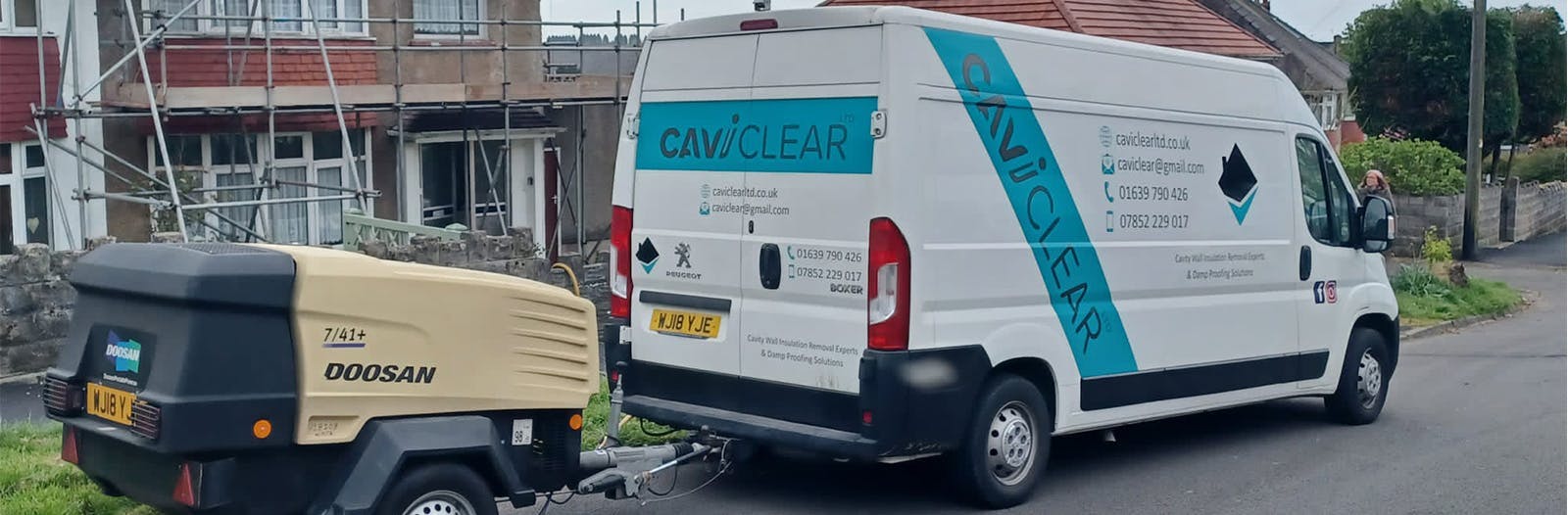
Modern extraction is a controlled process carried out from the outside of your property. Small holes are drilled in the mortar joints, and powerful equipment is used to remove the insulation from the cavity in a planned pattern.
The technique used depends on what material is in your walls, such as mineral fibre, polystyrene beads or foam. An experienced contractor will adapt the approach for your specific construction and property layout.
Once the insulation has been removed and the cavity cleared, the drill holes are carefully filled to match the existing mortar as closely as possible. You can usually continue living in the property while the work is carried out.
For more details on the process and what to expect, it is sensible to speak directly with a specialist provider or visit their cavity wall insulation extraction service page.
Planning for life after extraction
Removing failed insulation is only one part of putting the problem right. The next step is to help the building dry out safely and to tackle any underlying moisture sources.
After extraction, a sensible plan might include controlled drying of affected rooms, improving ventilation with trickle vents or mechanical extract where needed, and, if required, a further damp investigation to check for any unrelated issues.
In some homes, it may later be appropriate to consider an alternative form of insulation, such as internal or external wall insulation. This should only be done once the building has dried, any defects are repaired, and a professional has confirmed that the chosen method is suitable for your property and exposure level.
Arrange a specialist survey in Bristol and South Wales
If you are in Bristol, Cardiff, Swansea or anywhere across South Wales and are worried that your cavity wall insulation might be wet, the safest step is to get expert advice tailored to your home.
Cavi Clear Ltd carry out specialist surveys and cavity wall insulation extraction, helping homeowners understand what is really going on in their walls and what to do next. To arrange a survey or talk through your concerns, contact Cavi Clear Ltd on 01639790426.