Flaking or crumbling brick faces are more than just an eyesore—they signal a deeper issue known as spalling. This damage occurs when the outer layer of bricks flakes, peels, or crumbles away, leaving your walls vulnerable to further problems. If left untreated, spalling can allow moisture to penetrate deeper into the brickwork, leading to dampness inside your home, increased heat loss, and even potential structural damage over time.
Recognising spalling early and understanding its causes is crucial. It helps you prioritise repairs, decide what needs urgent attention, and avoid costly issues down the line, ensuring your property stays safe, dry, and energy-efficient.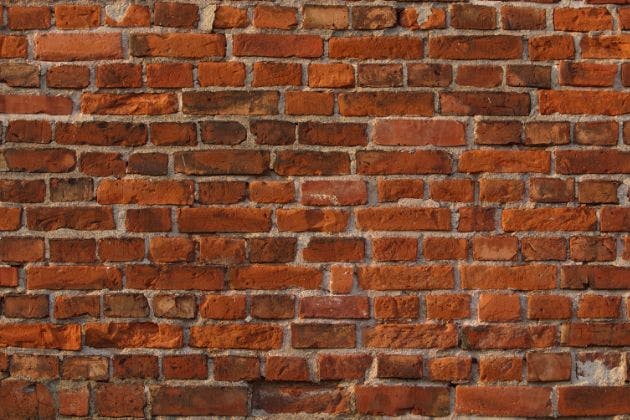
What spalling bricks are and how to spot them
Spalling is when the outer surface of a brick breaks away, flakes or crumbles. Sometimes it looks like shallow craters on the face of the brick, other times whole corners or faces shear off.
You might notice piles of gritty red or yellow dust at the base of walls, or bricks that look rough and pitted compared with surrounding masonry. In advanced cases, you can see the softer inner body of the brick exposed to the elements.
Main causes of spalling brickwork
Bricks are designed to breathe and cope with rain, but certain conditions trap or overload moisture inside them. When that happens, the outer surface is often the first part to fail.
Frost damage from saturated bricks
One of the most common causes is repeated freeze–thaw cycles. When bricks are saturated, water inside the pores expands as it freezes. That expansion stresses the outer surface again and again, until the face bursts or flakes away.
This tends to be worst on exposed elevations, parapets, and near leaking gutters where bricks stay wet for long periods in winter.
Trapped moisture and impermeable coatings
Bricks should allow moisture to evaporate freely. Modern, impermeable paints, dense cement renders and some clear sealants can trap water inside instead of letting it out.
Moisture can then be forced towards the colder outer face, where frost or thermal movement causes the surface to fail. This is why quick cosmetic fixes such as masonry paint are often a false economy if the wall is already damp.
Salt crystallisation inside the brick
Groundwater and rainwater can carry salts into masonry. As that water evaporates, salts crystallise and expand within the pores of the brick.
Over time this slow, grinding action can break down the surface, causing flaking and powdering. You might also see white crystalline deposits (efflorescence) on the surface of the bricks.
Deteriorated pointing and saturation
Mortar joints are sacrificial; they are meant to be the first part to weather. When pointing fails or is missing, water can soak deeply into the wall through the joints, leaving bricks saturated for longer after rain.
If hard cement mortar has been used on softer bricks, stresses are transferred into the brick rather than the mortar. This often leads to the bricks spalling while the too-hard mortar stays intact.
Quick checks for homeowners
You do not need specialist tools to carry out some basic checks around your property. These can help you understand whether spalling is an isolated issue or part of a wider moisture problem.
Walk around the whole building: Note which walls show spalled bricks, and whether damage is localised (below a window, under a gutter) or spread across an elevation.
Look up at gutters and downpipes: Check for drips, staining on the wall, green growth or water marks that suggest leaks or overflowing.
Check ground levels: Make sure soil, paving or decking is at least 150 mm below the damp proof course, and that nothing is bridging this level.
Note coatings and finishes: Is the wall bare brick, painted or rendered? Impermeable finishes can point towards trapped moisture issues.
Take clear photos of any problem areas. These are very helpful later if you seek professional advice, especially when damage is high up or hard to access.
Safe approaches to dealing with spalling bricks
Light, early-stage spalling can sometimes be managed as part of general maintenance. Heavily deteriorated areas or bricks linked to internal damp patches usually need professional intervention.
What to do first
Focus on stopping extra water getting into the wall. Repair or clear gutters, unblock downpipes and make sure overflows are directed away from masonry rather than onto it.
Where pointing has failed, appropriate repointing with a breathable mortar mix can help shed water from the wall surface again. Old, cracked cement render that is letting water in while trapping moisture can sometimes need careful removal and replacement with a more breathable system.
What not to do on spalling brickwork
Certain well-meant DIY fixes can actually accelerate damage or make future repair more expensive. Treat fragile bricks with care until you are sure of the underlying cause.
Do not seal bricks with non-breathable coatings: Avoid generic waterproof sealers or heavy masonry paints that stop moisture evaporating.
Do not use harsh pressure washing: High pressure can strip off already weakened faces and drive more water into the wall.
Do not patch with hard cement mortar: On older, softer bricks this can push stresses into the brick and worsen spalling.
Do not ignore internal symptoms: If you have black mould, peeling paint or damp plaster near spalled areas, treat the damp issue as a priority.
When spalling signals deeper damp problems
Spalling can be purely weathering on an old, exposed wall, but it can also indicate that the wall is staying saturated. Long-term moisture ingress is often linked to issues such as defective damp proof courses, cavity wall problems or bridging at ground level.
If you have external spalling along with internal signs of damp, the wall may be wet throughout its thickness, not just at the surface. In these cases, a damp assessment is important to identify the real source of moisture before any cosmetic repair is attempted.
A thorough survey will look at external detailing, cavity condition, damp proofing, ventilation and internal finishes. Solving the moisture pathway first prevents you from simply repeating repairs every few years as more bricks fail.
Next steps and getting professional help
Flaking brick faces are a clear sign that something in the wall’s moisture balance is not quite right. You can tackle simple maintenance jobs such as clearing gutters, lowering raised ground levels away from the wall and avoiding non-breathable coatings, but do not guess at damp problems.
If spalling bricks are combined with musty smells, tide marks, mould or peeling decoration indoors, it is sensible to arrange a professional damp inspection. For expert assessment and guidance on suitable damp proofing solutions, visit the Cavi Clear Ltd damp proofing page or call 01639790426 to discuss your concerns with a specialist.
Addressing moisture at source and using compatible, breathable repair methods will extend the life of your brickwork and help keep your home warm, dry and structurally sound.