If you have noticed cracks running neatly along the horizontal mortar joints in your brickwork, it can be worrying. Some bed joint cracks are mainly cosmetic, while others point to deeper structural or wall tie issues, so it helps to know what you are looking at before you decide what to do.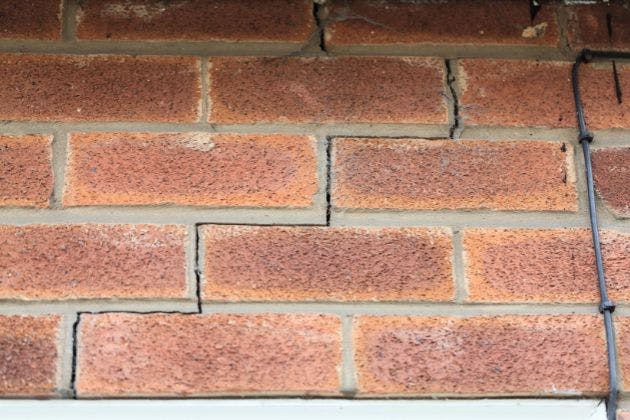
What bed joint cracks are and where they show up
Bed joint cracks are horizontal cracks that follow the mortar line between rows of bricks. They often look like a clean line, either straight or stepped slightly as the crack jumps up or down a course.
These cracks are common in cavity wall houses across South Wales, Cardiff, Swansea and Bristol. They may appear on sunny elevations, around windows and doors, or near metal lintels and structural supports.
Main causes of horizontal mortar line cracking
There is rarely a single cause, but several common issues tend to be involved. Understanding these can give you a sense of how urgent the problem might be.
Thermal movement and seasonal expansion
Brickwork expands on hot days and contracts as it cools. Over time, this movement can open up horizontal cracks along weaker mortar joints, especially on long walls with few movement joints.
Sun-facing walls or areas near dark features that heat up quickly are more prone to this. Cracks linked to thermal movement often widen slightly during hot or very cold spells, then appear to close a little in milder weather.
Deteriorated or weak mortar joints
Mortar that has weathered, was mixed poorly, or has been damaged by water and frost will lose strength. The brickwork above is then less well supported and small movements can open up bed joint cracks.
Mortar that crumbles when scraped with a key, or joints that have recessed significantly from the face of the brick, suggest the mortar is past its best and more vulnerable to cracking.
Mortar visibly crumbling, sandy or powdery to the touch
Cracks that open wider after heavy rain or freezing weather
Joint surfaces recessed well behind the brick face
Vegetation or moss growing in the joints
Corroding wall ties, lintels and other embedded metal
Many cavity walls rely on metal wall ties to connect the outer brick skin to the inner leaf. Older steel ties and some lintels can corrode over time, especially in coastal or exposed locations common around South Wales and the Bristol Channel.
As steel corrodes it expands, putting local pressure on the surrounding bed joints. This can produce long horizontal cracks along mortar lines, sometimes with slight bulging of the brickwork and rust staining at the surface. Only an inspection can confirm if hidden metalwork is contributing.
Localised movement around openings and supports
Windows, doors and other openings interrupt the brickwork and change how loads are carried. If a lintel is undersized, corroded or not bearing correctly, you may see bed joint cracks forming under or above it.
Similarly, movement around bay windows, gable ends or where extensions meet original walls can show up as clean horizontal cracks as the different parts of the building move slightly relative to one another.
Visual checklist: what your crack pattern is telling you
Looking closely at the cracks can give useful clues. Take your time and check the full height and width of the wall, not just the main crack you first noticed.
Width, shape and extent
Hairline cracks under 1 mm wide that do not run very far are often less serious, especially if they have not changed for months or years. Wider cracks, or several bed joints split over a large area, should be treated more cautiously.
A straight, continuous crack following a single bed joint can indicate movement focused along that line. A stepped crack, moving up and down between bricks, may suggest more general movement in the wall or around a corner.
Patterns linked to weather or recurring movement
If you notice the crack opens after very hot or freezing weather and appears slightly smaller at other times, thermal movement could be involved. Cracks that keep reappearing after being filled are often linked to ongoing structural or support issues.
Bulging or uneven brickwork, even by a few millimetres, is an important warning sign. If the wall appears to bow out or in along the line of the crack, professional assessment is strongly advised.
Is the crack wider than a credit card thickness?
Does it run more than a metre or span across windows/doors?
Is there visible bulging or uneven brickwork nearby?
Can you see rust staining or cracking concentrated over lintels?
Practical steps you can take safely
You do not need specialist tools to carry out some initial checks and monitoring. Simple observations can be very helpful if you later speak to a surveyor or wall tie specialist.
Photograph and monitor over time
Take clear photos of each crack, including something for scale such as a ruler or coin. Repeat these from the same angle every few months, or after notable weather events.
Keep a brief note of dates and any changes you notice. This record helps professionals judge whether the cracking is historic and stable, or actively progressing.
Check gutters, downpipes and nearby drainage
Water is a major contributor to brickwork and mortar damage. Look for leaking gutters, blocked downpipes, or overflows that discharge directly onto walls.
Fixing obvious water issues early can prevent further deterioration and may stabilise minor cracking, especially where mortar has become soft through repeated wetting and freezing.
Look for rust staining and local signs of corrosion
Rust-coloured streaks emerging from mortar joints, especially in straight horizontal lines, can sometimes point to corroding wall ties or metalwork. Similarly, cracks that line up neatly above windows or doors can suggest lintel issues.
This does not prove corrosion is present, but these signs are worth mentioning if you arrange a wall tie survey or structural-style inspection.
Avoid quick fixes that hide ongoing movement
Simply re-pointing over cracks without understanding the cause is rarely effective. If the wall is still moving or metalwork is corroding, the crack will often reopen through the fresh mortar.
Re-pointing has its place, but it should come after any structural cause has been identified and, where needed, addressed. Otherwise you are paying twice and potentially masking a developing problem.
When to call a professional for help
You should seek professional advice if cracks are getting wider, spanning long sections of wall, or linked with bulging, sticking doors or windows, or obvious rust staining. Homes in coastal or exposed parts of South Wales, Cardiff, Swansea and Bristol are also at higher risk of wall tie corrosion.
A specialist inspection can assess whether the issue is primarily cosmetic, related to mortar decay, or whether hidden metal ties and lintels are contributing. In cavity walls, only a trained surveyor with the right access equipment can safely confirm the condition of embedded metal components.
Next steps: tailored inspections and remedial options
If you are concerned about bed joint cracks in your brickwork, arranging a structured inspection is a sensible next move. A targeted wall tie survey can identify whether corroded or missing ties, or other embedded metalwork, are playing a part.
Cavi Clear Ltd provides a specialist wall tie survey & inspection service to investigate horizontal cracking and related issues in cavity walls. Where remedial work is required, their wall tie replacement service offers a proven way to restore stability to affected brickwork.
If you are in South Wales, Cardiff, Swansea or Bristol and have noticed bed joint cracks that concern you, contact Cavi Clear Ltd on 01639790426 to discuss an inspection. A clear diagnosis will give you peace of mind and a practical plan for putting your brickwork back on a sound footing.